Wedding Camera Design Review for Real Embroidery Projects
As a designer who regularly evaluates embroidery files for practical use, I recently came across the Wedding Camera Design. Before diving into any project—whether it’s a custom sweatshirt for a boutique or a personalized gift for an Etsy listing—I like to assess how well a design translates from digital file to finished product. Here's my take on this illustration-style graphics asset and its real-world application.
First Impressions: A Classic Wedding Vibe with Modern Flair
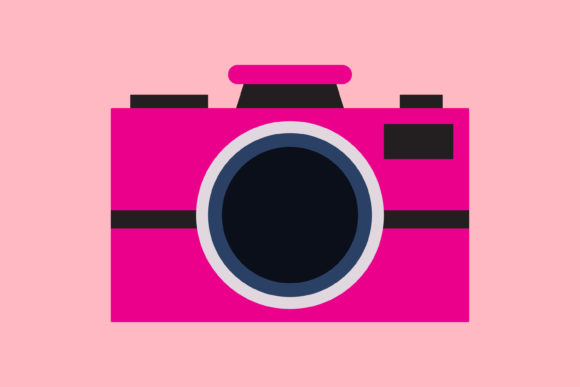
The Wedding Camera Design immediately gives off a warm, romantic feel. It features a stylized camera motif, complete with soft curves and elegant details that suggest love, memories, and celebration. The layout is balanced and centered, which makes it easy to place on a variety of items without overwhelming them. While it’s not overly intricate, the design has enough visual personality to stand out in a lineup of generic motifs.
Its color palette is subtle but versatile, with pastel tones that evoke a sense of nostalgia and sophistication. This kind of mood works especially well for wedding-related products, but also fits nicely into anniversary gifts, photography-themed merchandise, or even as a cute detail on a handmade baby item. The shape is rectangular with rounded edges, which is ideal for both flat surfaces and curved areas when scaled appropriately.
Best Suited for What?
I see this design fitting naturally into several categories. For instance, it could be used to personalize a custom tote bag for a wedding photographer. Placed near the top seam, it would look clean and professional. It also works well on sweatshirts, where a small-to-medium size can add a touch of charm without being distracting. The embroidered patch version could be sewn onto a jacket or denim vest for a vintage-inspired accessory.
In terms of apparel, the design shines on tote bags, pillow covers, and apparel decorators’ custom sweaters. Its graphic nature allows it to function as a standalone piece or as part of a larger set of design assets, such as matching napkins or aprons. If you're creating a line of handmade products for your craft business, this design adds a cohesive element that ties your collection together.
Real-World Stitching Performance
One of the most important factors for me as an embroidery designer is how a design looks once stitched. The Wedding Camera Design uses a combination of satin stitch and fill stitch effectively, giving it a polished look. The lines are smooth, and the shapes are defined, which is great for maintaining clarity on cotton or polyester blends.
When testing the digital embroidery file on a medium-sized hoop, the stitch density was just right—dense enough to hold up but not so tight that it puckers on lighter fabrics. That said, if you plan to use it on stretchy materials like spandex or knits, you’ll want to adjust the tension settings and consider using a stabilizer underneath to prevent distortion.
I also tested it on a printed mockup for an Etsy listing and found that it enhances the overall appeal of the product photo. Customers are more likely to engage with items that have clear, appealing embroidery projects, and this design does that without being too loud or busy.
Where to Use It Carefully
While the Wedding Camera Design is adaptable, there are certain scenarios where extra attention is needed:
- Small hoop sizes: The design includes some fine detailing that might get lost or distorted when shrunk too much. Always confirm the minimum recommended hoop size before finalizing a project.
- Textured or thin fabrics: On flannel or linen, the stitches may appear less crisp unless proper backing is used. Thin materials may require a washable stabilizer to keep everything neat.
- Dark fabric backgrounds: The thread colors provided in the SVG and DXF files are light-based, so contrast may be reduced on darker materials. Consider using white or metallic threads for better visibility.
- Curved surfaces: When placing this design on a cap or hat, make sure to adjust the placement and test it on a sample first. Curves can affect the way fill stitches lay, especially in the corners.
- Frequent washing: Items like kitchen towels or baby clothes need durable stitching. Double-check that the design maintains integrity after multiple washes by doing a quick test on scrap fabric.
Visual Appeal and Customer Reactions
This design has a gentle, nostalgic feel that resonates with customers looking for meaningful, non-over-the-top imagery. As an embroidery product reviewer, I’ve noticed that people often gravitate toward designs that tell a story. The Wedding Camera Design subtly conveys the idea of capturing moments, making it a perfect fit for sentimental gifts or wedding party favors.
Visually, it’s clean and modern enough to appeal to younger audiences while still feeling timeless for older generations. This duality makes it a strong candidate for holiday gifts or personalized products that bridge different tastes. Whether it's a handmade gift or part of a commercial embroidery run, the design contributes to a higher perceived value and increases buyer engagement.
Design Notes for Pros and Makers
Here are a few tips to help you integrate this design successfully into your embroidery project:
- Test on scrap fabric before stitching anything final. Especially if you're planning to use it on stretchy or delicate material.
- Check thread color contrast against your chosen fabric. The default colors may not pop on every background.
- Review stitch density in high-detail areas. You may need to tweak the spacing slightly depending on your machine and fabric type.
- Confirm hoop size compatibility. If the design is too large for your hoop, scaling down may compromise quality.
- Inspect small details , like the lens of the camera or the film roll, to ensure they’re visible and not lost in the stitch pattern.
- Use black and white mockups to visualize how the design will look in monochrome or if you're considering a single-color embroidery option.
- Compare light and dark fabric backgrounds to see how the design holds up visually in both scenarios.
- Choose the right stabilizer based on your fabric and machine recommendations. A tear-away or cut-away stabilizer can make all the difference.
- Check licensing if you're planning to sell finished products or digital embroidery files. Make sure the design allows for commercial use.
Adding Value to Your Craft Business
For small shop product lines or handmade shop owners, this design elevates the presentation of everyday items. An embroidered apron with this motif could become a signature item for your brand, especially if you cater to couples or creatives. It also pairs well with other illustrations in the same theme, allowing you to create a cohesive collection of graphics for printable mockups or digital previews.
From a branding perspective, the Wedding Camera Design helps establish professionalism and attention to detail. Customers appreciate when a personalized gift looks intentional and well-crafted. This is particularly important for creative entrepreneurs and digital product sellers who rely on visuals to showcase their offerings at craft fairs or online marketplaces like Etsy.
Final Thoughts for Embroidery Designers
The Wedding Camera Design isn’t a show-stopper in terms of complexity, but it’s a reliable choice for a wide range of machine embroidery design applications. It brings a quiet elegance to projects and works best when placed thoughtfully on items like custom apparel, embroidered patches, or nursery decor.
As always, I recommend taking the time to test the embroidery file in a few different formats and on various materials. The key to success with any applique design is understanding how it behaves under different conditions. Once you've done that, you'll find that this design can easily become a staple in your portfolio of illustrations and graphics for both personal and commercial embroidery projects.
If you're looking to build a collection of design assets that speak to romance, memory, and creativity, the Wedding Camera Design is worth adding to your library. Just remember to treat it with the care it deserves, especially when working with tricky fabrics or tight spaces.