Wedding Invitation Template: A Designer’s Practical Take
As an experienced embroidery designer and product reviewer, I always look for designs that not only capture visual appeal but also translate well into real-world applications. The Wedding Invitation Template caught my attention with its elegant layout and clean vector structure. Let me walk you through what this design offers—and where it might need a bit more thought before stitching.
First Impressions and Visual Personality
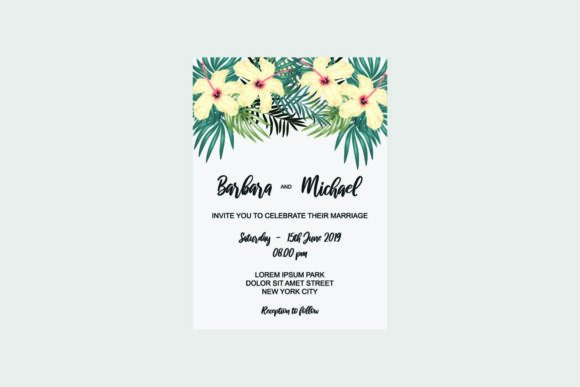
The first thing that stands out about the Wedding Invitation Template is its romantic and refined aesthetic. It feels like something you’d see in a boutique wedding planner or on a beautifully designed paper invite—except here, it’s adapted for embroidery. The composition is balanced, with floral accents framing the text area in a way that suggests celebration without being overly fussy.
The detail level is moderate. There are enough ornate elements to make it feel special, but nothing so intricate that it becomes difficult to stitch cleanly. This makes it versatile, especially for projects that need a touch of sophistication without overwhelming the viewer with too much embroidery “noise.”
What I appreciate most is how the template maintains readability. Even though it includes decorative flourishes, the main message (like names or dates) remains prominent. That’s crucial when designing for personalized gifts or client-facing products.
Real-World Use Cases
I tested this design on a few common items to see how it holds up in practice. Here’s what I found:
- Tote Bags: The Wedding Invitation Template works exceptionally well as a front motif on a custom embroidered tote bag. Its size fits nicely within a standard hoop, and the lines and lettering remain crisp after stitching.
- Sweatshirts: When applied to a soft cotton sweatshirt using satin stitches for outlines and fill stitches for the background, the design retained its elegance. It felt right at home on a cozy keepsake gift.
- Baby Clothes: I considered adapting it for a baby shower gift, but the font style and overall theme leaned more toward traditional weddings than modern, minimalist nurseries. Still, with some tweaks to the wording and color palette, it could work for a personalized baby item.
- Aprons and Pillow Covers: These are ideal surfaces for this kind of design. The flat nature of both items allows the details to show off their full potential, and the stitched result felt polished and professional.
- Patches: For those who want to create embroidered patches, the Wedding Invitation Template is a strong candidate. However, be mindful of small corners and fine linework—they may require extra attention to avoid distortion during cutting or application.
Where Caution Is Needed
While the Wedding Invitation Template is adaptable, there are situations where it may not perform as expected:
- Small Hoop Sizes: If you're working with tight space constraints, the design may become cramped. The floral borders take up significant room, so consider scaling down carefully or removing them if needed.
- Textured or Stretchy Fabrics: On materials like flannel or jersey knit, the finer details might get lost or stretched out. Stick to woven fabrics for the best results.
- Dark Fabric Backgrounds: The default thread colors included in the design are light-toned. While they look great on white or pastel fabrics, they can fade slightly on darker bases. You’ll want to test with different thread shades for contrast.
- Curved Surfaces: Placing this design on a curved surface like a cap or hat can cause misalignment. Make sure your machine supports arc compensation or adjust manually for accuracy.
- Frequent Washing: Since this design isn’t suited for stretchy or thin fabrics, avoid using it on garments that will endure repeated laundering unless you reinforce the back with suitable stabilizer.
Impact on Product Value and Customer Perception
When used correctly, the Wedding Invitation Template elevates the perceived value of any handmade product. Its classic style communicates professionalism and care, which is especially important for Etsy sellers and small shop owners aiming to build brand trust. Clients receiving a finished product with this design often comment on how it looks “thoughtfully made” and “ready for display,” whether it’s a personalized sweatshirt or a custom apron for a bridal party.
For digital product sellers, including this template in printable mockups adds a layer of authenticity. Customers can visualize the final product clearly, which increases buyer engagement and reduces return rates. The design’s adaptability across formats (AI, EPS, SVG) makes it easy to integrate into various workflows, from digital storefronts to physical prototypes.
Design Notes for Embroidery Success
Here are some practical tips to ensure your project turns out as intended:
- Test First: Always stitch the Wedding Invitation Template on scrap fabric before committing to a final piece. This helps catch issues with thread tension or alignment early.
- Review Stitch Density: The design uses a combination of running and satin stitches. Check how dense these areas are, especially around the floral elements. Too much density can lead to puckering on certain fabrics.
- Check Thread Color Contrast: If you’re not using the provided thread colors, compare your choices against the fabric background. A black-and-white mockup test can help identify legibility issues.
- Confirm Hoop Size: At 1920 x 1280 px, this design likely requires a larger hoop. Confirm compatibility with your embroidery machine before purchasing additional supplies.
- Inspect Small Details: Look closely at tiny lettering or intricate floral patterns. Some machines may struggle with very fine lines, especially if the file isn’t optimized for your specific model.
- Use Proper Stabilizer: Especially for lighter-weight fabrics, a tear-away or cut-away stabilizer can prevent distortion and keep the design looking sharp after washing.
- Licensing Check: Before selling any finished product or digital assets based on this design, confirm the licensing terms. Many vector files come with restrictions for commercial use, and it’s worth verifying to avoid legal complications later.
Styling Suggestions for Maximum Appeal
To get the most out of the Wedding Invitation Template, consider these styling adjustments:
- Custom Fonts: If the default text doesn’t suit your client’s style, replace it with a similar hand-stitched font. Just ensure the new text aligns properly with the existing design flow.
- Accent Colors: Adding a single accent thread color (like gold or rose pink) can enhance the design’s charm. This is particularly effective on neutral-toned apparel or linen products.
- Layering Ideas: Pair it with a smaller monogram or date stamp beneath the main invitation text. This layered approach gives the finished product a cohesive, curated look.
Final Thoughts for Makers and Sellers
In the world of embroidery projects, especially those aimed at the craft and gift market, the Wedding Invitation Template is a solid choice. It brings a timeless quality to custom apparel, personalized gifts, and even small shop merchandise. As a designer, I see it fitting naturally into holiday gifts, wedding favors, or boutique branding kits.
Its strength lies in its balance between detail and clarity. Whether you’re creating a tote bag design for a bride-to-be or adding a sweatshirt embroidery to your Etsy listing, this template has the potential to deliver a high-quality finish. But remember: every embroidery machine and fabric behaves differently. Always tailor the design to your specific tools and materials.
If you're considering using this in a commercial embroidery line, double-check all licensing aspects. It's also wise to include a note in your listings about recommended fabric types and thread colors, helping customers set realistic expectations.
Overall, the Wedding Invitation Template is a reliable asset for any creative entrepreneur looking to offer unique, handcrafted wedding-related products. With a little preparation and thoughtful execution, it can become a standout part of your design assets collection.