Wedding Ceremony Arts: A Designer’s Practical Take
First Impressions and Visual Personality
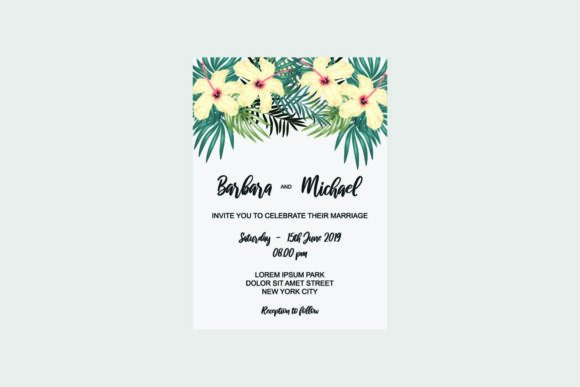
When I first opened the Wedding Ceremony Arts design, I was immediately struck by its elegance and attention to detail. As a designer who regularly works with embroidery files for real-world projects, the visual personality of this illustration stood out—it feels like it was crafted with the wedding industry in mind. The layout is balanced, the motifs are classic yet modern, and the overall mood exudes warmth and celebration.Real-World Application: A Custom Embroidered Tote Bag
Let me walk you through a real-life use case. Imagine an Etsy seller preparing a line of custom embroidered tote bags for wedding season. They choose Wedding Ceremony Arts for its intricate lines and soft, romantic feel. When transferred onto fabric, the design retains its charm but also presents some practical challenges.Where Wedding Ceremony Arts Shines
Wedding Ceremony Arts is versatile enough to be used across a range of embroidery projects. Here are some of the best applications based on my experience:
- Custom Apparel: Sweatshirts and t-shirts benefit from the design's bold yet delicate features. Make sure to test stitch density before printing large quantities.
- Tote Bag Design: Perfect for creating statement pieces that double as functional wedding gifts or event merchandise. The high-resolution format types support clean transfers even after resizing.
- Baby Clothes & Nursery Decor: With slight modifications, this design can become a softer, more whimsical applique for baby onesies or pillow covers.
- Embroidered Patches: Ideal for adding a touch of sophistication to accessories or small shop products. Its layered details translate well into patch form when using appropriate backing.
- Commercial Embroidery: Whether for a craft fair product line or digital embroidery file sales, this illustration offers a strong visual anchor for branding and recognition.
- Printable Mockups: If you're a digital product seller, the AI, EPS, SVG formats allow for easy integration into mockup templates for your Etsy listings or marketing materials.
In each scenario, the design maintains its integrity while enhancing the appeal of the finished product. Customers tend to respond positively to the artistic depth and the sense of occasion it conveys—making it a valuable asset for any craft business or handmade product aimed at special events.
Designs That Demand Careful Handling
While Wedding Ceremony Arts is impressive, there are situations where extra caution is needed. For instance:- Small Hoop Sizes: The design is rich in detail, so shrinking it too much may cause important elements to lose clarity. Always confirm hoop size requirements before finalizing production.
- Textured or Stretchy Fabrics: Dense areas with fill stitch or running stitch may not lay flat properly on fabrics like knits or denim. Test stitching on scrap material first.
- Dark Fabric Backgrounds: Thread color contrast becomes crucial here. What looks great on white cotton could disappear on navy linen unless you adjust accordingly.
- Products Subject to Frequent Washing: High stitch density in certain parts may lead to pilling or distortion over time. Consider using washable stabilizers and durable thread.
- Curved Surfaces: When applying this design to caps or curved surfaces, pay close attention to how the corners and curves align post-hoop. Some manual tweaking may be required for seamless results.
These are not deal-breakers, but they do require a bit of designer foresight. The beauty of the design shouldn’t overshadow the need for technical precision—especially when it comes to commercial embroidery or mass-produced handmade items.
Thread Colors and Stitch Clarity
One thing I always check when evaluating a machine embroidery design is the thread color palette. Wedding Ceremony Arts includes a harmonious mix of shades that complement each other, but it’s up to the user to determine which combinations will work best for their specific project. I recommend testing it in black and white to assess stitch clarity before finalizing thread choices. Also, take note of how the fill stitch and satin stitch areas interact. In some cases, overlapping stitches can cause puckering or stiffness. This is something every embroidery designer should consider, especially when aiming for a premium finish on sweatshirt embroidery or pillow covers.Boosting Product Value and Brand Consistency
Using Wedding Ceremony Arts in your portfolio can elevate the perceived value of your products. Clients and customers recognize quality when they see it—especially in personalized gifts or holiday embroidery items. The design’s consistent style and professional execution help maintain brand consistency across different product types, whether you're embroidering aprons or creating digital product previews. For Etsy sellers and small shop product creators, this kind of reliability is essential. You want your designs to reflect your brand’s aesthetic and standards. Wedding Ceremony Arts fits that bill when applied thoughtfully.Customer Trust and Engagement
I’ve found that designs with a clear identity and polished look contribute significantly to customer trust. When buyers browse your handmade product listings and see the same elegant motif repeated across different items—tote bags, tea towels, or patches—they start to associate it with your name. That builds recognition and loyalty, both of which are key for a successful craft business.Designer Notes for Real Use
Here are a few things I always keep in mind when working with a new embroidery design like Wedding Ceremony Arts:- Test on Scrap Fabric: Especially if you’re planning a large run. See how the design reacts to your machine, thread, and fabric combination.
- Check Stitch Density: Areas with heavy stitching might need thinning out slightly to avoid distorting the fabric.
- Confirm Licensing Terms: Since this is a graphics-based design, ensure you understand whether it's suitable for commercial use or only personal projects.
- Use Proper Stabilizer: Depending on the fabric texture, you may need tear-away, cut-away, or wash-away stabilizer to keep everything looking neat.
- Review Small Details: Zoom in on the image to inspect tiny lettering or decorative accents. These can easily get lost in translation during digitization.
- Compare Light and Dark Backgrounds: The design’s impact varies depending on the base fabric color. Always create sample swatches to visualize how it will appear.
By following these steps, you can ensure that your finished product doesn’t just look good, but performs well under real-world conditions. This is especially important for anyone selling handmade items or digital embroidery files—where presentation and functionality are equally vital.