Wedding Decoration Arts: A Designer’s Honest Take
If you're in the craft or embroidery business, you know that choosing the right design can make or break a project. I recently evaluated Wedding Decoration Arts for use in real-world embroidery applications and wanted to share my practical insights. As an experienced designer and product reviewer, I look beyond aesthetics—I want to see how a design behaves under the needle, on fabric, and in the hands of customers.
First Impressions: Elegance with Purpose
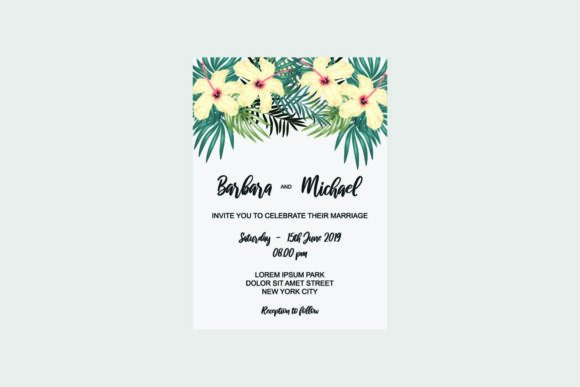
The first thing that struck me about Wedding Decoration Arts was its refined visual personality. The design carries a soft, romantic aesthetic—perfect for wedding-related projects but also versatile enough for other uses. Its layout is balanced, with floral motifs and elegant script elements that suggest it was created with both style and structure in mind. The detail level is moderate; it’s not overly intricate, which is a good sign for stitchability across various fabric types and machine settings.
I found the theme to be cohesive and adaptable. It doesn’t scream "wedding" in a cliché way, but rather offers a subtle elegance that works well for custom apparel, personalized gifts, and even boutique branding. This kind of design often fits into a range of products without feeling out of place, which is a big plus for craft business owners and Etsy sellers.
A Natural Fit for Custom Apparel and Handmade Products
Let’s say you’re creating a custom sweatshirt for a client’s wedding party. Wedding Decoration Arts would serve as an excellent choice for a front or back graphic. The design's size (1920 px X 1280 px) gives you room to scale it appropriately while maintaining clarity. It could easily become a part of your digital embroidery file library, ready to be stitched onto t-shirts, tote bags, or even aprons for wedding vendors.
When considering satiny fabrics, this design handles satin stitch and fill stitch areas quite well. There are no extreme examples of tiny lettering or dense stitching that might cause issues, so it’s less likely to require heavy tweaking before use. However, keep in mind that the overall density may still vary depending on your chosen thread colors and fabric type.
Real-World Performance: What Works Best?
- Tote bag design: This is one of the most natural placements for Wedding Decoration Arts. Embroidered on a canvas or linen tote, it looks sophisticated and adds value to any handmade product.
- Sweatshirt embroidery: The design scales beautifully on larger garments. Its soft curves and open spaces help avoid stiffness, especially when using lighter-weight stabilizers.
- Baby clothes and nursery decor: While the theme is romantic, it can be recontextualized for baby items like pillow covers or embroidered patches. Just ensure thread color contrast is warm and inviting.
- Patches and small shop merchandise: With some adjustments to hoop size, it can work well as an embroidered patch or small graphic on caps and hats. But be cautious—it might lose impact if scaled too small.
- Digital product previews: For digital embroidery file creators, this design translates well into printable mockups. Its layered composition makes it visually appealing in both light and dark backgrounds.
What I appreciate most is how it enhances the product value and giftability. Whether it's a holiday gift or a bespoke wedding accessory, the design feels professional and thoughtful. Customers will notice the quality, and that builds customer trust—a key element for any handmade shop owner or creative entrepreneur looking to stand out in a competitive market.
Where to Use with Care
While Wedding Decoration Arts has broad appeal, there are certain situations where it might not perform at its best. Here are a few things to consider before committing to a project:
- Small hoop sizes: If you plan to use it on smaller items like buttons or mini patches, the design may need significant resizing. Small details could get lost or distorted.
- Textured or stretchy fabrics: On materials like knits or quilting cotton, the stitch lines might shift slightly. Always test on scrap fabric first.
- Dark fabric backgrounds: The design relies on some white space to breathe. When placed on darker materials, the contrast between elements may not be as clear. Try using thread colors that pop against the background.
- Products needing frequent washing: Because the design includes some delicate fill stitches, repeated laundering might dull the appearance over time. Recommend pre-washing fabric or using high-quality threads for durability.
Design Notes for Embroidery Professionals
Before stitching Wedding Decoration Arts into your next embroidery project, take a moment to review these tips:
- Test it on scrap fabric—especially if you're using it on a new material or for a commercial embroidery run.
- Check stitch density in different sections of the design. Dense areas might need more stabilizer support or lower tension settings.
- Inspect small details like corners and inner curves. These can be tricky on curved surfaces or thin fabrics.
- Review the design in black and white mockups to understand how it'll look without relying on specific thread colors.
- Confirm whether the design is suitable for both personal and commercial use. Licensing terms aren't provided here, so always double-check before selling finished items or digital products.
As a machine embroidery design, it behaves well in standard formats. The availability of AI, EPS, SVG, DXF, JPG, and PNG files means it’s compatible with most design software and digitizing tools. That flexibility is great for those who want to modify the layout or incorporate it into their own illustrations and graphics.
Visual Appeal and Brand Consistency
One of the strengths of Wedding Decoration Arts is its ability to enhance the visual appeal of your handmade product without overwhelming it. It brings a sense of sophistication that aligns with high-end custom apparel and personalized gifts. If you're building a brand around romance, weddings, or boutique-style crafts, this design helps maintain a consistent tone and style across your design assets.
From a buyer engagement standpoint, the design feels intentional. It’s not just another generic floral—it tells a story. That emotional resonance can lead to higher customer satisfaction and better reviews for your Embroidery project listings.
Final Thoughts from the Workbench
After running through several scenarios—from a sweatshirt embroidery for a bridal party to a tote bag design for a wedding favor vendor—I feel confident recommending Wedding Decoration Arts as a reliable addition to your embroidery toolkit. It’s not flashy, but it’s effective. It won’t demand special machines or impossible techniques, yet it elevates the presentation of your finished product in a meaningful way.
For apparel decorators, small business owners, and anyone working with machine embroidery designs, this is a solid option for adding charm and professionalism to your offerings. Just remember to adapt it to your specific materials and project needs. And if you're planning to sell it as a digital embroidery file, always confirm licensing and usage rights before listing it on Etsy or other platforms.
In short, Wedding Decoration Arts is a design that earns its place—not by shouting, but by shining subtly. It’s the kind of illustration that feels right at home in both personal and commercial embroidery projects. Now go give it a try, and see what your clients think!