Wedding Invitation Letter White Line: A Refined Embroidery Design for Elegant Projects
As an experienced designer and embroidery product reviewer, I always approach a new machine embroidery design with a critical eye. It’s not just about aesthetics—it’s about how the design functions in real-world applications, from custom apparel to personalized gifts. The Wedding Invitation Letter White Line caught my attention as a clean, versatile illustration that promises to elevate the visual appeal of various embroidered items. Let me walk you through my hands-on evaluation.
First Impressions and Visual Personality
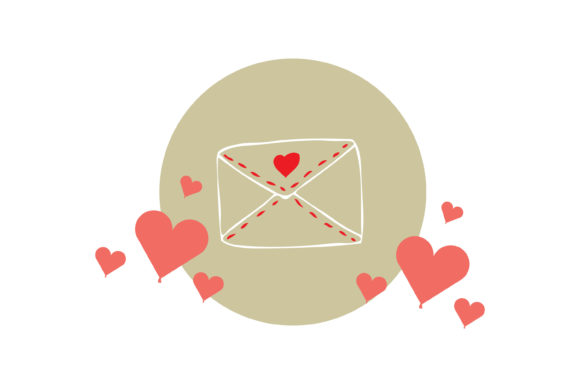
The Wedding Invitation Letter White Line immediately conveys a sense of elegance and simplicity. Its white line art style is minimalistic yet refined, making it perfect for projects where subtlety and sophistication are key. The overall layout feels balanced, with a classic letter format that suggests formality—ideal for wedding-related items or any project aiming for a touch of timeless charm.
I noticed that the detail level is moderate but well-distributed. There are no overly intricate patterns that might confuse the stitcher, nor are there large open spaces that could lose impact on fabric. This design has a clear visual personality: soft, romantic, and modern enough to work across different styles and color palettes.
Real-Life Application Scenarios
One scenario I considered was using this design for a sweatshirt embroidery project. Imagine a couple wanting to personalize their wedding guest sweatshirts with a heartfelt message. The Wedding Invitation Letter White Line would provide the right amount of structure without overwhelming the garment. It works especially well when paired with satin stitches along the outlines and a light fill inside the text shapes.
Another practical use case is tote bag design. Wedding totes often serve as keepsakes or favors, and this illustration could be stitched onto cotton or canvas in a way that feels both personal and professional. The 3000px X 2000px canvas size gives room for placement flexibility, ensuring the design can scale down for smaller bags or stretch out for larger ones.
For embroidered patches, the white line art adds a delicate contrast that stands out beautifully against darker backdrops. I see it fitting well on denim, felt, or even leather, depending on the thread colors chosen. In terms of personalized gifts, such as embroidered pillow covers or tea towels, the design brings a sense of occasion and thoughtfulness that customers appreciate.
Where to Use with Care
While the Wedding Invitation Letter White Line is adaptable, there are certain situations where it may need more attention. For example, if you plan to use it in a small hoop size, the design could appear cramped or lose its visual clarity. Always confirm the recommended hoop size before finalizing your project setup.
Textured or thin fabrics might challenge the fine lines of the design. Without proper stabilizer, the white lines could distort or disappear under tension. Similarly, stretchy materials like knits can cause misalignment if the stitch density isn’t adjusted accordingly. I recommend reviewing the stitch density settings for these types of substrates.
If you're working with dark-colored fabrics, consider experimenting with thread color contrasts. While the white line style is elegant, it might not pop as intended on black or navy bases. Test the design on a printable mockup to preview how it will look in different lighting conditions and fabric shades.
Products that require frequent washing, such as baby clothes or kitchen towels, also demand extra care. Dense stitch areas might lead to puckering over time, so ensure the design allows for some flexibility and doesn’t trap too much thread underneath.
Impact on Product Value and Customer Perception
This design has a strong presence in handmade products due to its clean lines and structured appearance. It enhances the visual appeal of items by adding a layer of refinement that appeals to those looking for bespoke touches. When used correctly, it can significantly boost the perceived product value and professionalism of your finished goods.
From a branding perspective, the Wedding Invitation Letter White Line is excellent for small shop product lines that specialize in personalized gifts or holiday embroidery. Its versatility ensures brand consistency across multiple items, while still allowing customization options for individual clients.
Customer trust is also influenced by how clearly the design translates to fabric. If the white lines remain sharp and readable after stitching, it shows attention to detail and quality—a must for Etsy sellers and craft business owners who rely on positive reviews and repeat buyers.
Designer Notes for Practical Use
- Test on scrap fabric first: Before committing to a client project or batch production, always run a sample stitch. Especially with white line illustrations, seeing how they interact with your specific materials is crucial.
- Check thread color contrast: Consider using metallic threads or pastel hues to complement the white line theme. Avoid low-contrast combinations that might make the design hard to read post-stitching.
- Review stitch density: Optimize the fill stitch and running stitch parameters based on the fabric type. Too tight, and you risk distortion; too loose, and the design may feel incomplete.
- Confirm hoop size requirements: Since the product details don't specify minimum or maximum sizes, do your own research or contact the seller for recommendations.
- Inspect small details: Look closely at corners and curves to ensure they’re smooth and won’t snag during embroidery. These aspects can affect the overall look and durability of the finished product.
- Use proper stabilizer: Especially important on stretchy or thin materials. A tear-away or cut-away stabilizer can help maintain shape and prevent puckering.
- Test in black and white: This helps determine how the design holds up without color influence, which is useful for monochrome themes or unexpected fabric choices.
- Compare light and dark backgrounds: Make sure the design remains legible and appealing regardless of the base fabric color.
- Check licensing for commercial use: If you're planning to sell digital embroidery files or finished items featuring this design, verify the licensing terms provided by the creator.
A Fresh Take on Wedding-Themed Embroidery
What sets the Wedding Invitation Letter White Line apart is its ability to blend into a variety of contexts while maintaining a distinct identity. Unlike bold, ornate designs that scream "wedding," this one offers a quiet confidence. It’s perfect for boutique branding or nursery decor that leans towards minimalist aesthetics.
I also appreciate how it can function as part of a broader set of design assets. Whether you're creating printable mockups for your website or sourcing graphics for a seasonal collection, this illustration can be repurposed creatively. It's not limited to traditional illustrations—it can become a signature element in your commercial embroidery offerings.
Final Thoughts for Creative Entrepreneurs
In summary, the Wedding Invitation Letter White Line is a solid choice for anyone involved in custom apparel, holiday gift creation, or handmade shop ventures. Its clean structure invites creativity without being restrictive, and its subtle elegance makes it a great fit for both personal and professional embroidery projects.
However, don’t overlook the importance of testing and preparation. Every fabric and machine behaves differently, and what looks beautiful on screen may not translate perfectly to stitch. Treat this design as a starting point rather than a final solution—customize, adjust, and adapt to suit your unique needs.
For craft fair products or apparel decorators looking to add a touch of romance to their collections, this is a worthy addition. Just remember to consider fabric suitability, thread selection, and stitch behavior to get the best results. With the right approach, the Wedding Invitation Letter White Line can become a standout feature in your next embroidery project.